- urologist
- 0 Comments
Painful Urination in Men Causes Diagnosis and Treatment
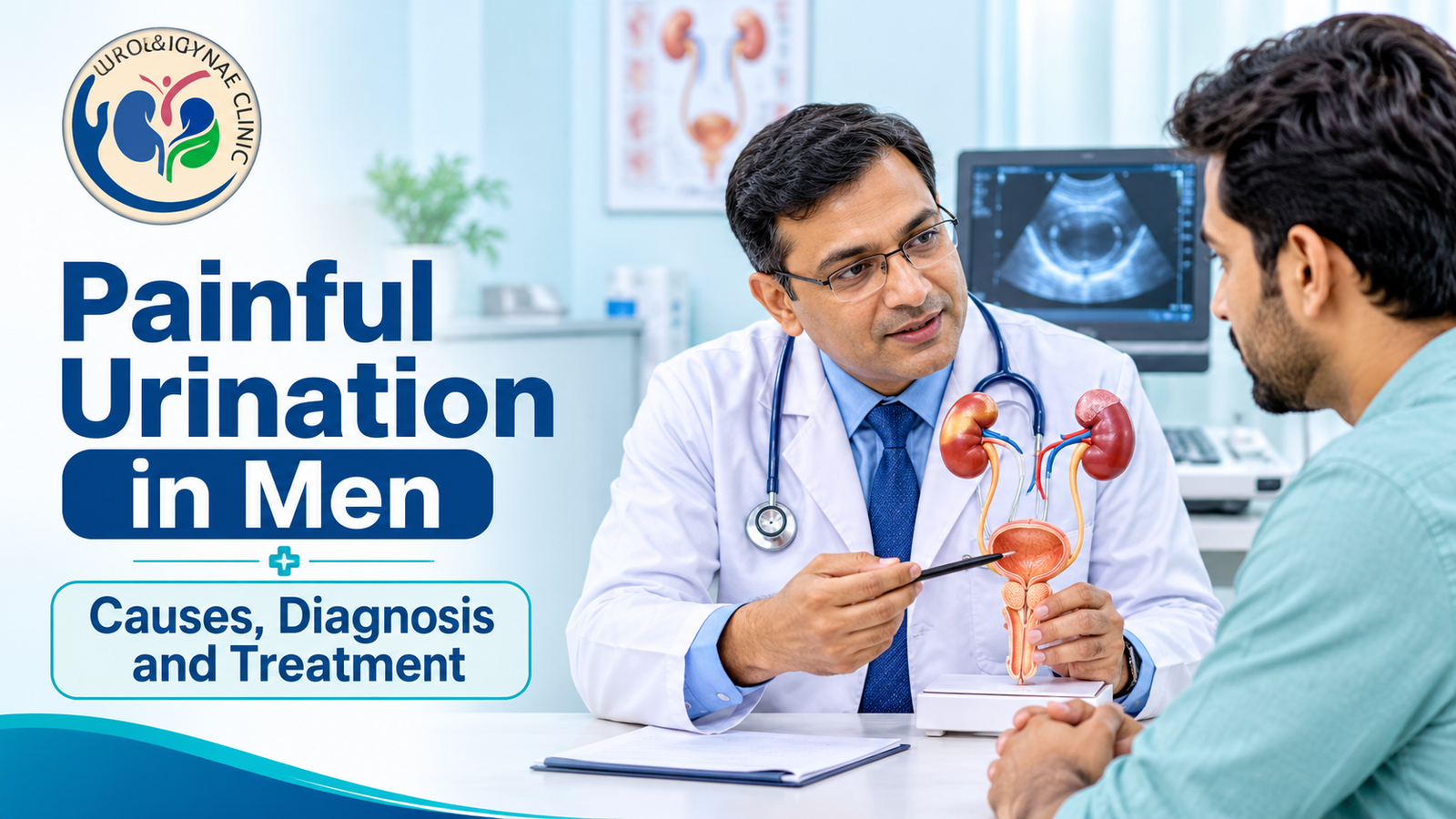
Painful Urination in Men: Causes, Diagnosis and Treatment is an important topic because burning or discomfort while passing urine can be a sign of an underlying urinary or prostate problem. Many men experience pain, irritation, or a burning sensation during urination but ignore these symptoms, thinking they will improve on their own. However, painful urination should not be ignored, as it may be caused by infections, inflammation, kidney stones, or other urological conditions. Early diagnosis and proper treatment can help prevent complications and improve urinary health. More info
What Is Painful Urination in Men?
Painful urination, medically known as dysuria, refers to a burning sensation, pain, or discomfort while passing urine. The discomfort may occur at the opening of the penis, inside the urinary passage, or in the lower abdomen.
Some men experience pain only while urinating, while others may feel discomfort before or after passing urine. It can also occur with frequent urination, difficulty starting the urine stream, or a feeling that the bladder is not completely empty.
The severity of symptoms can vary depending on the underlying cause. Therefore, understanding the possible reasons is important for choosing the right treatment.
Common Causes of Painful Urination in Men
Several health conditions can cause burning or painful urination in men. Some of the most common causes include:
1. Urinary Tract Infection (UTI)
A urinary tract infection occurs when bacteria enter the urinary system and cause infection. Although UTIs are less common in men than in women, they can still occur, particularly in older men and those with urinary problems.
Common symptoms include:
Burning sensation while urinating.
Frequent urge to pass urine.
Cloudy or foul-smelling urine.
Lower abdominal discomfort.
Blood in the urine in some cases.
A urine test helps identify the infection, and treatment depends on the type of bacteria involved.
2. Prostatitis (Prostate Inflammation)
Prostatitis refers to inflammation of the prostate gland, which is located below the urinary bladder in men. It may occur due to a bacterial infection or other causes of prostate inflammation.
Common symptoms include painful urination, pelvic discomfort, pain between the scrotum and anus, difficulty passing urine, and sometimes pain during ejaculation.
Medical evaluation is important because different types of prostatitis require different treatment approaches.
3. Urethritis
Urethritis is inflammation of the urethra, the tube that carries urine out of the body. It may develop due to bacterial infections, including sexually transmitted infections such as gonorrhoea and chlamydia.
Symptoms may include:
Burning during urination.
Irritation around the penis.
Discharge from the penis.
Pain or discomfort at the urethral opening.
Proper testing is necessary to identify the cause and select suitable treatment.
4. Kidney or Bladder Stones
Kidney and bladder stones are hard deposits formed from minerals and salts in the urinary system. When these stones move or block the flow of urine, they may cause pain and discomfort.
Other symptoms may include severe pain in the back or side, blood in the urine, nausea, frequent urination, and difficulty passing urine.
Treatment depends on the size, location, and type of stone.
5. Enlarged Prostate (BPH)
Benign Prostatic Hyperplasia (BPH) is a non-cancerous enlargement of the prostate gland. It is more common in older men and can put pressure on the urethra, affecting normal urine flow.
Symptoms may include:
Weak urine stream.
Difficulty starting urination.
Frequent urination, especially at night.
Dribbling after urination.
A feeling of incomplete bladder emptying.
Although BPH does not always cause burning, it may contribute to urinary discomfort and increase the risk of urinary complications.
Symptoms Associated with Painful Urination
Painful urination may occur with other symptoms depending on the underlying condition. Watch for the following warning signs:
Burning or stinging while passing urine.
Frequent or urgent need to urinate.
Pain in the lower abdomen or pelvic area.
Cloudy or foul-smelling urine.
Blood in the urine.
Discharge from the penis.
Weak urine flow or difficulty passing urine.
Fever or chills.
Pain in the lower back or sides.
If these symptoms continue or become worse, consult a urologist for proper evaluation.
How Is Painful Urination in Men Diagnosed?
Diagnosis begins with understanding the patient’s symptoms, medical history, and physical condition. A urologist may recommend the following tests depending on the suspected cause.
1. Urine Routine and Microscopy Test
This test checks the urine for signs of infection, inflammation, blood, and other abnormalities. It is commonly used as an initial investigation.
2. Urine Culture Test
A urine culture helps identify bacteria causing a urinary infection. It can also help doctors select an appropriate antibiotic.
3. Ultrasound of the KUB Region
An ultrasound of the kidneys, ureters, and bladder helps identify urinary stones, bladder abnormalities, and certain structural problems. A prostate assessment may also be included when required.
4. Blood Tests
Blood tests may be recommended to assess kidney function, signs of infection, or other health concerns.
5. STI Testing
If a sexually transmitted infection is suspected, the doctor may recommend specific urine or swab tests to identify the infection.
6. Additional Urological Investigations
In selected cases, a doctor may recommend uroflowmetry to assess urine flow, measurement of post-void residual urine, or cystoscopy to examine the urinary passage and bladder.
Not every patient needs all these tests. Investigations are selected according to the symptoms and clinical findings.
Treatment Options for Painful Urination in Men
Treatment depends on the underlying cause. A doctor will recommend suitable treatment after evaluating the patient’s condition.
1. Antibiotics for Bacterial Infections
If painful urination is caused by a bacterial UTI, prostatitis, or urethritis, antibiotics may be prescribed. The medicine and duration depend on the infection and test results.
Antibiotics should only be taken under medical guidance. Do not use leftover medicines or stop a prescribed course without consulting your doctor.
2. Treatment for Prostate Problems
Men with prostatitis or an enlarged prostate may require medicines or other treatments depending on the condition. Some prostate conditions may need long-term monitoring or specialist care.
3. Kidney and Bladder Stone Treatment
Small stones may pass naturally with medical guidance, while larger stones may require procedures such as laser treatment or other stone-removal techniques.
4. Lifestyle and Hydration
Drinking adequate water, maintaining personal hygiene, and avoiding unnecessary delays in urination may support urinary health. However, lifestyle changes alone cannot cure an infection or remove a urinary obstruction.
5. Treatment of Underlying Conditions
If painful urination is related to an STI, urethral stricture, or another urological problem, specific treatment is required. Sexual partners may also need testing and treatment in certain infections.
When Should Men Consult a Urologist?
Do not ignore painful urination, especially when it continues or occurs with other symptoms.
Seek medical attention if you experience:
Persistent burning or pain while urinating.
Blood in the urine.
Fever or chills with urinary symptoms.
Discharge from the penis.
Severe pain in the back, side, or lower abdomen.
Difficulty passing urine or a weak urine stream.
Important: Inability to pass urine, particularly with a painful or swollen lower abdomen, requires immediate medical attention. Fever with severe urinary or pelvic pain also needs urgent evaluation.
Men experiencing changes in their urine flow can also read about Weak Urine Stream in Men: Causes and Treatment to understand related urinary problems. Replace this placeholder with the URL of your existing blog when publishing.
Conclusion
Painful urination in men can occur due to several reasons, including urinary tract infections, prostatitis, urethritis, kidney stones, and prostate enlargement. Identifying the underlying cause is essential for selecting the correct treatment.
If you experience burning, pain, frequent urination, or changes in urine flow, do not ignore these symptoms or rely on self-medication. Consult a qualified urologist for proper diagnosis and timely treatment. Taking care of urinary health and seeking medical advice at the right time can help prevent complications and support a better quality of life.